After the very sad news recently of the footballer Ugo Ehiogu passing away suddenly at his work place at Tottenham’s Training Centre, we thought it important to add an article about how to spot a Heart Attack.
BBC Sport article on Ugo Ehiogu’s sudden death.
What is a Heart Attack?
A heart attack (myocardial infarction or MI) is a serious medical emergency in which the supply of blood to the heart is suddenly blocked, usually by a blood clot.
A heart attack is a medical emergency. Dial 999 and ask for an ambulance if you suspect a heart attack.
A lack of blood to the heart may seriously damage the heart muscle and can be life-threatening.
Symptoms of a heart attack!
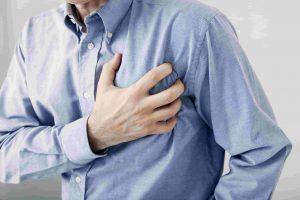
If you suspect the symptoms of a heart attack, dial 999 immediately and ask for an ambulance.
Don’t worry if you have doubts. Paramedics would rather be called out to find an honest mistake has been made than be too late to save a person’s life.
Symptoms of a heart attack can include:
- chest pain – a sensation of pressure, tightness or squeezing in the centre of your chest
- pain in other parts of the body – it can feel as if the pain is travelling from your chest to your arms (usually the left arm is affected, but it can affect both arms), jaw, neck, back and abdomen
- feeling lightheaded or dizzy
- sweating
- shortness of breath
- feeling sick (nausea) or being sick (vomiting)
- an overwhelming sense of anxiety (similar to having a panic attack)
- coughing or wheezing
Although the chest pain is often severe, some people may only experience minor pain, similar to indigestion. In some cases, there may not be any chest pain at all, especially in women, the elderly and people with diabetes.
It’s the overall pattern of symptoms that helps to determine whether you are having a heart attack.
Treating heart attacks

Place the casualty in to the W position as shown above.
While waiting for an ambulance, it may help to chew and then swallow a tablet of aspirin (ideally 300mg) – as long as the person having a heart attack isn’t allergic to aspirin.
The aspirin helps to thin the blood and reduce the risk of a heart attack.
In hospital, treatment for a heart attack depends on how serious it is. The two main treatments are:
- using medication to dissolve blood clots
- surgery to help restore blood to the heart
Read about treating heart attacks.
Information taken from the NHS website.